Call Us : +91- 9818153911

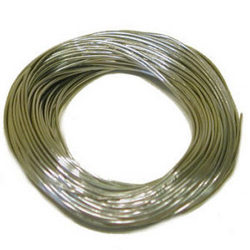
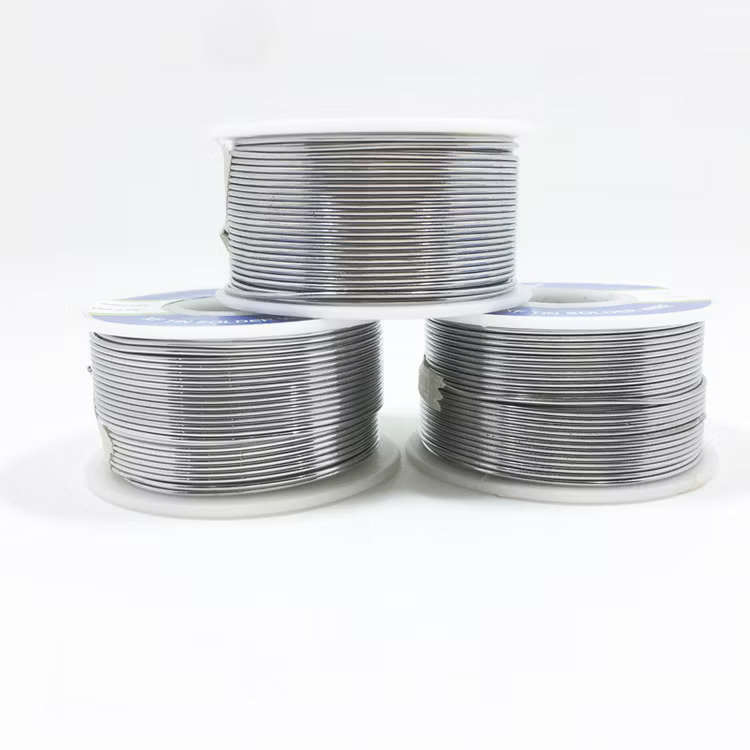
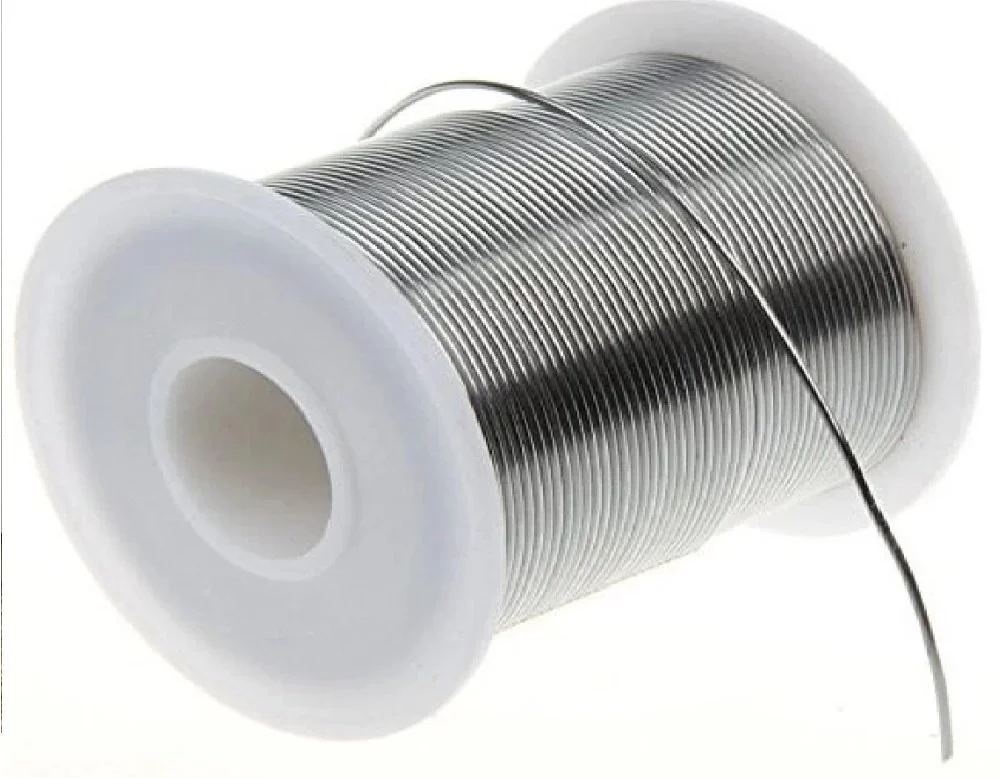
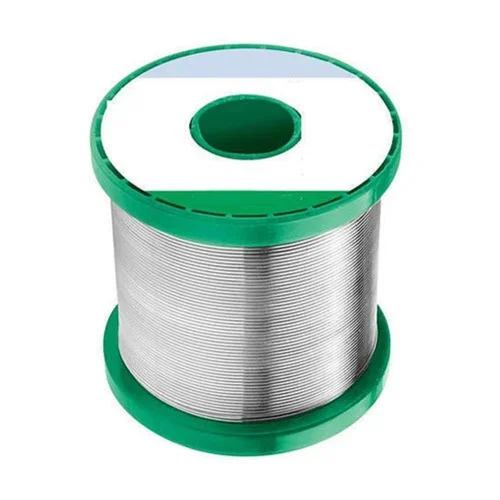
UFC solder wire, also known as Uniform Flux Core solder wire, is a widely used consumable in electrical and electronic soldering applications. It consists of a tin–lead (Sn/Pb) alloy wire with a uniformly distributed flux core inside, designed to ensure consistent solder flow and reliable joint formation during heating. The uniformity of the flux core plays a critical role in maintaining joint quality, reducing defects, and improving overall soldering efficiency.
Sn/Pb solder wire has long been preferred in electronics and electrical work due to its predictable melting behavior, excellent wettability, and strong mechanical bonding. It provides stable electrical conductivity and durable joints, making it suitable for applications ranging from basic wiring to industrial electronic assembly.
Different tin–lead composition ratios significantly affect soldering performance. Variations in tin and lead percentages influence melting temperature, flow characteristics, joint strength, surface finish, and overall cost. Selecting the correct Sn/Pb ratio is therefore essential to match process requirements, component sensitivity, and performance expectations.
Sn/Pb composition ratios such as 10/90, 20/80, 25/75, and 30/70 represent the percentage of tin (Sn) and lead (Pb) present in the solder alloy. These ratios determine how the solder behaves when heated, how well it wets metal surfaces, and how strong the final solder joint will be.
Tin (Sn) is responsible for wetting action and electrical conductivity. Higher tin content improves the ability of molten solder to spread smoothly across copper, brass, and other conductive surfaces, resulting in better joint appearance and electrical performance.
Lead (Pb) contributes to lower melting temperatures, smoother flow, and improved workability. Higher lead content allows solder to remain molten longer, which is beneficial in applications requiring controlled flow and reduced thermal stress.
The balance between tin and lead impacts joint strength, surface finish, processing temperature, and material cost. Higher tin ratios generally increase performance but also raise material cost, while higher lead ratios offer economical solutions for less demanding applications.
UFC 10/90 solder wire contains a high proportion of lead, making it suitable for applications where low cost and controlled flow are prioritized over high wetting performance.
UFC 20/80 solder wire offers a balanced composition that improves wetting while maintaining good flow and economical pricing.
UFC 25/75 solder wire provides enhanced tin content, resulting in better bonding strength and more reliable solder joints.
UFC 30/70 solder wire contains higher tin content, making it ideal for applications requiring superior wetting and precision soldering.
| UFC Solder Wire Type | Sn/Pb Composition | Approx. Melting Range (°C) | Flow, Wetting & Flux Behavior | Typical Applications | Relative Cost Level |
|---|---|---|---|---|---|
| UFC 10/90 Solder Wire | 10% Tin / 90% Lead | 275–300°C | Slower wetting due to low tin content; remains molten longer, allowing controlled flow; uniform flux core aids oxide removal but requires higher heat input | Heavy electrical joints, thick conductors, non-critical soldering, cost-sensitive applications | Low |
| UFC 20/80 Solder Wire | 20% Tin / 80% Lead | 260–290°C | Improved wetting compared to 10/90; balanced flow with stable flux activation; uniform flux core ensures consistent bonding | General electrical work, wiring, transformer leads, routine maintenance soldering | Low–Medium |
| UFC 25/75 Solder Wire | 25% Tin / 75% Lead | 250–280°C | Smooth flow with reliable wetting; uniform flux core supports clean joints and reduces cold solder defects | Industrial electronics assembly, control panels, PCB soldering in industrial environments | Medium |
| UFC 30/70 Solder Wire | 30% Tin / 70% Lead | 235–270°C | Excellent wetting and fast spreading; lower working temperature; high-quality flux core enhances joint strength and finish | Precision electronics, PCB assembly, fine electrical connections, quality-critical soldering | Medium–High |
| Impact of Flux Core (UFC) | Uniform internal flux (1.8%–2.5%) | Activated within melting range | Ensures oxide removal, stable flow, reduced spatter, and consistent joint quality across all Sn/Pb ratios | Improves reliability in both manual and automated soldering processes | Included in wire cost |
| Process & Cost Consideration | Higher Sn = higher material cost | Lower melting range = better control | Better wetting reduces rework, improves joint appearance, and lowers long-term process cost | Important for production efficiency and component safety | Varies by Sn % |
Application suitability: Electrical wiring and repair work typically involves low-stress joints where ease of soldering, cost efficiency, and controlled flow are more important than very high mechanical strength.
Recommended Sn/Pb ratios: Grades such as 10/90 and 20/80 Sn/Pb are commonly used because their higher lead content provides longer molten time, making them forgiving during manual soldering.
Performance benefits: These ratios allow smooth joint formation on thicker wires and terminals without requiring precise temperature control.
Cost consideration: Lower tin content keeps material cost economical, making these grades suitable for field repairs and routine electrical maintenance.
Application suitability: Electronics assembly and PCB soldering require clean wetting, strong bonding, and controlled heat input to avoid damage to components and tracks.
Recommended Sn/Pb ratios: 25/75 and 30/70 Sn/Pb grades are preferred due to their higher tin content and superior wetting characteristics.
Performance benefits: These grades produce smoother joints, better surface finish, and reliable electrical conductivity on fine copper pads.
Process control: Lower melting ranges support consistent results in both manual and semi-automated soldering operations.
Application suitability: Industrial motors and equipment involve heavy conductors, vibration exposure, and higher thermal loads during operation.
Recommended Sn/Pb ratios: High-lead grades such as 10/90 and 20/80 Sn/Pb are commonly selected for these applications.
Performance benefits: Higher lead content provides better flow into larger joints and tolerance to thermal cycling.
Durability focus: These grades offer stable performance where joint size is large and mechanical stress is moderate.
Application suitability: Automotive and appliance manufacturing demands solder joints that can withstand vibration, temperature variation, and long service life.
Recommended Sn/Pb ratios: 25/75 and 30/70 Sn/Pb grades are preferred due to their balanced strength and wetting behavior.
Performance benefits: Higher tin content improves joint integrity and resistance to fatigue.
Manufacturing advantage: These grades support consistent quality in batch and line-based soldering processes.
Why it matters: Joint strength determines long-term reliability under mechanical stress and vibration.
Why it matters: Conductivity affects signal integrity and power efficiency in electrical circuits.
Why it matters: Smooth and shiny joints indicate good wetting and long-term reliability.
Why it matters: Ease of rework reduces repair time and damage risk.
Indicative wholesale pricing overview: Wholesale pricing of UFC solder wire varies primarily with tin content, global metal prices, and order volume.
Bulk purchase advantage: Large-volume orders significantly reduce per-kilogram cost through optimized production runs, reduced packaging expense, and stable long-term pricing agreements.
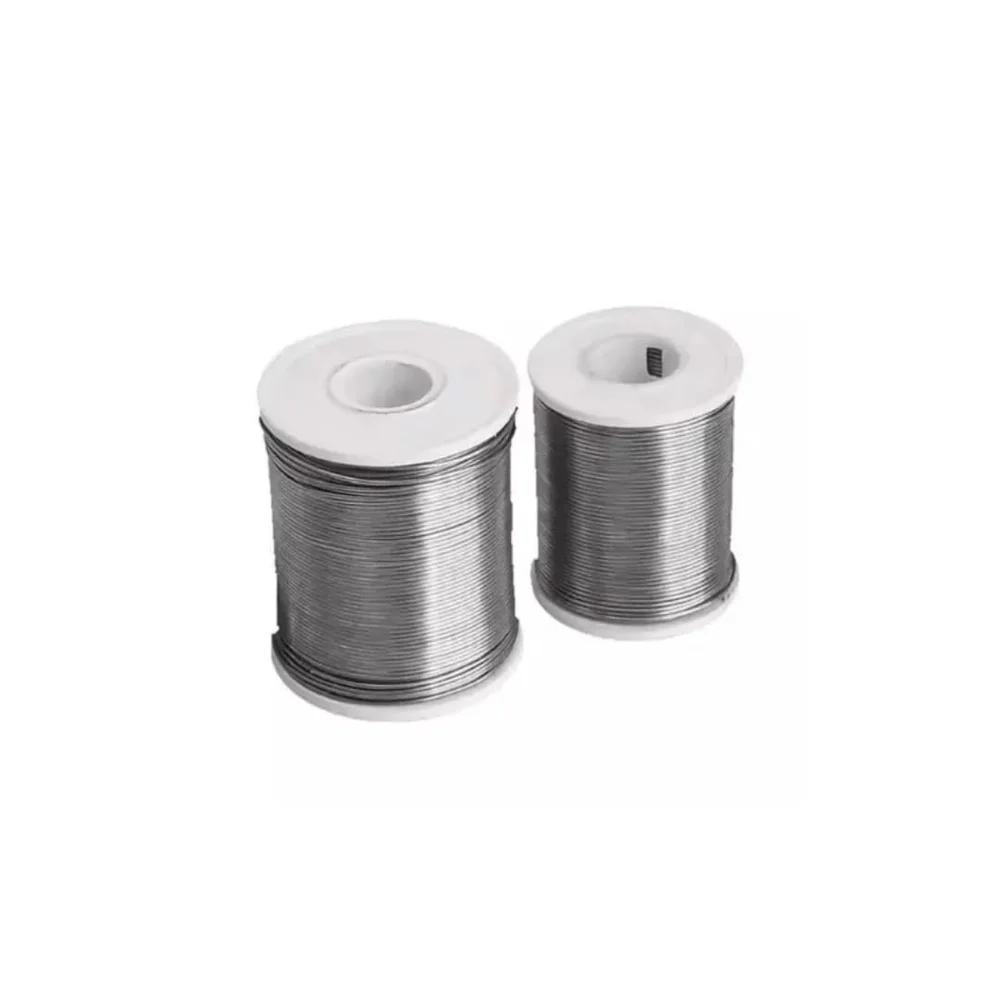
Pratibha Technologies is recognized for delivering consistent-quality UFC solder wire that meets the practical demands of electrical, electronic, and industrial soldering applications. With controlled alloy composition and strict manufacturing processes, the company ensures uniform Sn/Pb ratios, reliable flux distribution, and predictable soldering behavior across all grades. This consistency is crucial for customers who depend on repeatable performance in both manual and production-line soldering.
The company’s industrial-grade manufacturing capabilities support bulk supply requirements without compromising quality. From standard spool sizes to customized packaging and wire diameters, Pratibha Technologies offers flexibility to meet diverse customer needs. Competitive wholesale pricing, supported by efficient sourcing and production planning, makes it a preferred partner for distributors, OEMs, and large-scale users. With dependable logistics and a focus on long-term supply relationships, Pratibha Technologies provides a reliable solution for businesses seeking high-quality UFC solder wire in volume.





Copyright © 2026 Pratibha Technologies All Rights Reserved.